Know the Risks of Radon
What is radon?
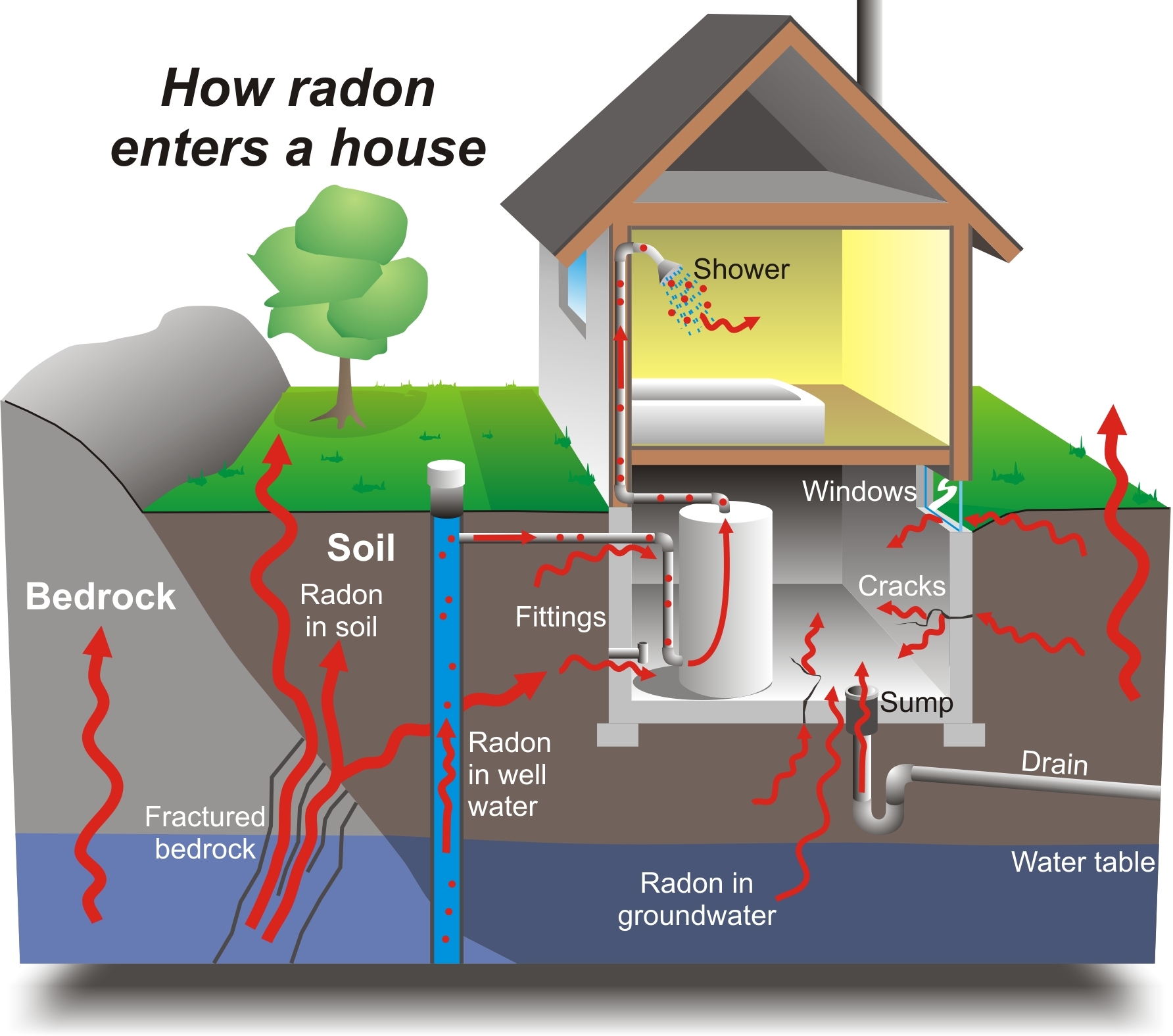
Radon is a colourless, odourless gas, that is naturally produced through the breakdown of uranium in the ground. Outdoors, radon moves through the soil and is released into the air, where it is diluted to harmless levels. However, radon can also enter your home from the ground through small cracks or gaps in the foundation. Once it finds its way inside a building, radon can accumulate and reach levels above the Health Canada guideline of 200 Bq/m3. While radon levels are generally highest in the basement, radon can also accumulate on other floors.
Risk of radon exposure
Prolonged exposure to levels of radon above the Health Canada guideline increases your lifetime risk of developing lung cancer. Smokers who are exposed to elevated radon levels are at particularly high risk. It’s estimated that radon causes over 200 lung cancer cases and over 150 lung cancer deaths per year in Manitoba.
Manitoba has higher levels of radon than the rest of Canada. This is likely due to a combination of our geography and our climate. Manitobans spend more time indoors during cold winters and hot summers, which contributes to prolonged radon exposure. Recent data estimates that up to 43% of residential buildings in Manitoba have radon levels exceeding the Health Canada Guideline of 200 Bq/m3, versus18% across Canada (Source: Cross-Canada Survey of Radon Exposure in the Residential Buildings of Urban and Rural Communities. October 2024. www.crosscanadaradon.ca).
Remember: Even if you have a newer home, or even if your neighbour’s home tests below the Health Canada Guideline, it’s possible your home has elevated radon levels. The only way to know is to test your own home.
How can I test my home for radon?
To test the level of radon in your home, you can:
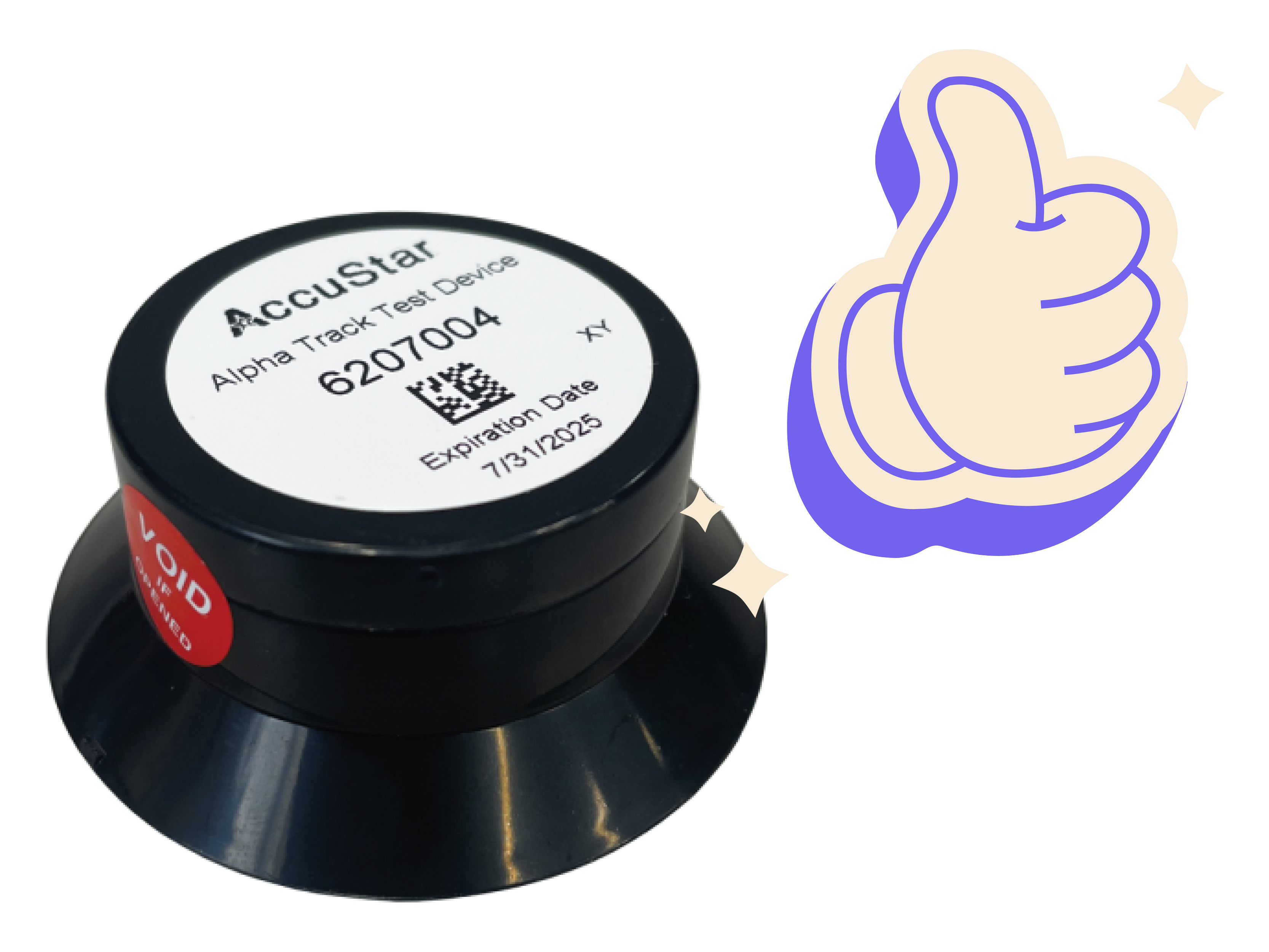
- Order an approved radon testing kit that will be delivered to your home. There’s also a service available through the Manitoba Lung Association.
- Check out a free testing kit from your library.
- Hire a certified radon measurement professional to assess your home.
If you are using a radon testing kit, it is important to follow all the instructions provided to ensure you get an accurate measurement. A single reading or a reading over a short period of time such as days is not helpful and it is the average result (constant measuring over time) that matters.
Radon levels can vary from room to room and can fluctuate throughout the year. As such, it is important to leave the test device in one place for at least 3 months. The device should be placed on the lowest level of your home where people spend at least 4 hours each day. You do not need to test areas where you spend less than 4 hours per day. It is best to test your home in the winter, as this is when radon levels are typically highest.
When does radon become harmful?
Health Canada guidelines indicate that areas of the home where individuals spend more than 4 hours per day should have an average radon level of less than 200 Bq/m3. Because radon levels can fluctuate, this standard refers to the average level of radon measured over 1 year. From a risk perspective it is the average value over time that matters.
What can I do if there are high levels of radon in my home?
If your home radon test indicates there are high levels of radon in your residence, you should consult a certified radon mitigation professional to identify next steps in reducing your radon exposure. The most effective method of radon reduction (90% or greater) is sub-slab depressurization, where a pipe is fitted by a radon professional through / just underneath your basement slab/foundation to vent radon outside before it can enter your home. Unfortunately, this option can be expensive, with an estimated average cost of about $2,700 in Canada. As such, there are grants and loans available through Lungs Matter and Manitoba Hydro to help improve the accessibility of this gold-standard method of radon mitigation.
If sub-slab depressurization is not available or feasible immediately, there are steps you can take to limit the amount of radon accumulation in your home. Sealing cracks in basement walls and floors, and around pipes in your home can help prevent radon from entering your residence. Similarly, you can have your floor drains fitted for traps that reduce the amount of radon entering your home. When weather allows, you can also open windows or use an HVAC system to improve air exchange/ventilation in your home, which helps lower radon levels in the space. The impact of these methods is variable and they are not proven to be effective in the long term like sub-slab depressurization. It is important to consult a radon mitigation professional to understand which options will work best in your home. Additionally – quitting smoking is important to reduce lung cancer risk for everyone – but in particular for those who smoke and have radon exposure.
Learn more
Radon – Government of Manitoba
About Radon – Government of Canada
Radon in Manitoba – Take Action on Radon
Lungs Matter Radon Mitigation Grant Program — Manitoba
Manitoba Hydro Home Energy Efficiency Loan
Key takeaways
-
- Radon is a naturally occurring colourless and odorless gas. It only poses a problem if it accumulates inside buildings/living spaces.
-
- Long term exposure to radon above the Health Canada Guideline of 200 Bq/m3 increases your lifetime risk of developing lung cancer.
-
- Radon is common across Canada, with up to 18% of residential buildings estimated to have radon levels exceeding the Health Canada Guideline of 200 Bq/m3. Radon levels in Manitoba are known to be higher with up to 43% of residential buildings estimated to be above the guideline.
-
- Radon levels in buildings are highly variable and the only way to know is to test your home for radon by ordering a testing kit or hiring a certified radon measurement professional. Your home and your neighbour’s home could have very different levels even if the homes aren’t far apart.
-
- Levels inside a home vary over time, but it is the average amount that matters. As a result, Health Canada recommends homes be tested for a minimum of three months to obtain an average level, testing should be on the lowest floor of the home where people usually spend more than four hours per day, and ideally during the winter when indoor radon levels tend to be higher and people spend more time indoors.