Catch up on immunizations
Protecting Babies from RSV

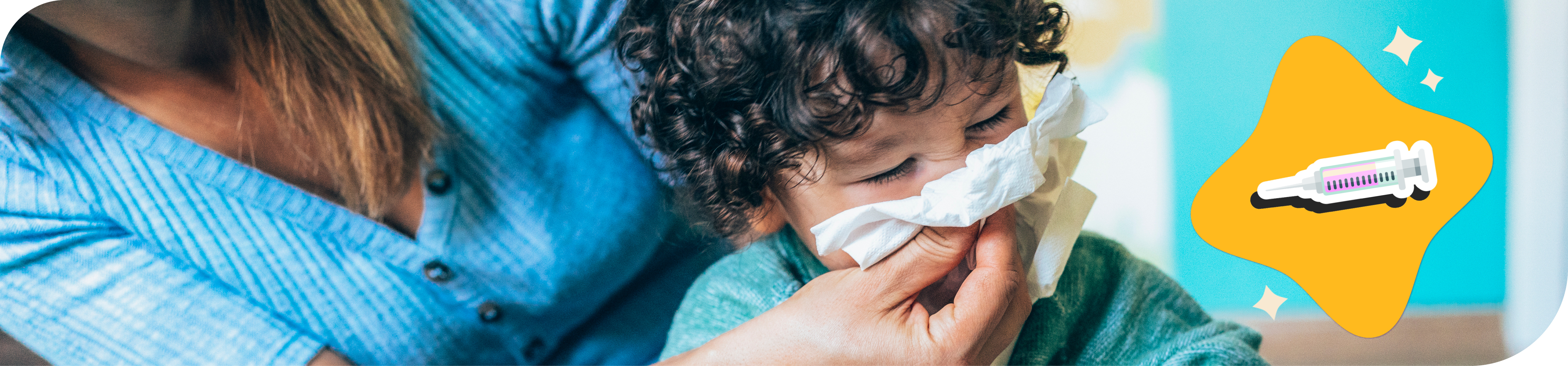
Your baby’s first winter should be about cozy cuddles. When the weather turns chilly, and we spend more time inside, unfortunately, respiratory viruses start to make the rounds again, including RSV (respiratory syncytial virus).
Most of the time, RSV feels like a bad cold. But for babies and young children, it can sometimes lead to more serious illness and even hospital visits.
There’s a new program to help save snuggle season and help protect Manitoba’s youngest residents from RSV this winter.
Protect Your Baby
Manitoba has expanded eligibility to the RSV antibody program to protect more babies from RSV.
Babies born between October 1, 2025, and March 31, 2026, can receive one dose of nirsevimab for free. Nirsevimab is a long-acting antibody product that helps prevent serious RSV illness. It has been approved for use in Canada since 2023.
In Manitoba, RSV season typically runs from November to March and accounts for 10 to 20 per cent of respiratory tract infections in infants requiring medical attention.
Just one dose of nirsevimab provides strong protection against RSV for five to six months so your baby is protected throughout the RSV season. Studies show it can reduce the risk of serious RSV illness and hospital visits by up to 90%.
It’s best for your baby to receive nirsevimab soon after birth, so they’re protected right away.
It will typically be offered before your baby leaves the hospital. If that doesn’t happen, speak to your local public health nurse through your local public health office or your health care provider at the nursing station or health centre.
What You Should Know About RSV
RSV infects the nose, throat, and lungs.
Common RSV symptoms:
- Runny nose or congestion
- Coughing and sneezing
- Wheezing or mild breathing difficulty
- Fever
- Less appetite or energy
Babies may also seem unusually tired, feed less, or have trouble breathing.
Symptoms usually begin 2 to 8 days after exposure. People can spread RSV for 3 to 8 days, sometimes even before symptoms appear.
RSV spreads when people cough, sneeze, or talk, and by touching contaminated surfaces and then touching your face.
How to Prevent RSV
Small actions can make a big difference in slowing the spread of RSV and other respiratory viruses.
To prevent RSV infection:
- Wash your hands often.
- Avoid touching your eyes, nose, or mouth with unclean hands.
- Avoid close contact with people who are sick.
If you’re sick:
- Stay home to rest and recover.
- Cough or sneeze into a tissue or your elbow (not your hand).
- Avoid contact with people at high risk — especially babies, older adults, and those with chronic conditions.
Manitoba’s RSV Protection Programs
Manitoba offers two publicly funded programs to help protect babies and children against serious RSV illness:
- NEW For all infants born between October 1, 2025, and March 31, 2026:
Eligible babies can receive one dose of nirsevimab.
A single injection provides protection for about five to six months.
- For infants and young children with certain high-risk medical conditions:
Additional protection may be available through the Manitoba High-Risk RSV Immunoprophylaxis Program. Talk to your doctor to find out if your child qualifies.
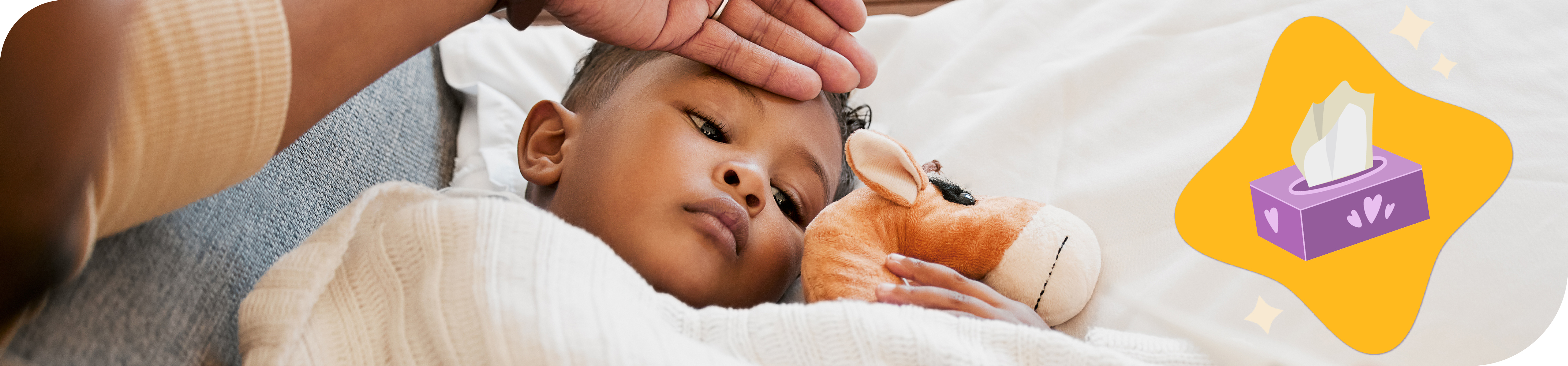
Caring for Someone with RSV
Most RSV infections clear up on their own within one to two weeks. Focus on rest, fluids, and comfort:
- Drink plenty of fluids
- Use acetaminophen or ibuprofen (if appropriate) for fever and discomfort. Check with a health care provider first.
Seek immediate medical care if your baby or child:
- Has trouble breathing
- Appears very tired or lethargic
- Shows signs of dehydration (dry mouth, fewer wet diapers)
A Healthier Winter Ahead
RSV is common, but with the right protection and prevention, you can help your baby stay healthy all season long.
By taking simple precautions and taking advantage of Manitoba’s RSV antibody program, families can breathe a little easier this winter.
If your baby is eligible for nirsevimab or you have questions about RSV, talk to your doctor to learn more.
Key takeaways
-
Who’s eligible:
Babies born between Oct. 1, 2025 – March 31, 2026
Some infants and children with high-risk conditions -
What protects them:
One dose of nirsevimab, an RSV antibody product
Protection lasts 5–6 months -
When to get it:
Ideally, before leaving the hospital after birth -
Why it matters:
Helps prevent severe illness
Reduces hospital visits by up to 90%
More on catch up on immunizations

Catch up on immunizations
Why Getting Your Flu Shot Matters
Catch up on immunizations
Measles: What You Need to Know
Catch up on immunizations
Measles, mumps, and rubella
Catch up on immunizations